
How to Handle Door Dashing in Dogs
- Jul 8, 2025
- 4 min read
Part of our National Lost Pet Prevention Month Series

July is National Lost Pet Prevention Month, a time to spotlight how simple changes in habits and training can prevent heartbreak. One of the most common causes of lost pets? Door dashing.
If your dog bolts through open doors the moment they get the chance, you’re not alone—and your dog isn’t being bad. This kind of impulsive behavior often stems from excitement, fear, or a strong desire to follow you. But while it may seem like a harmless habit, it can quickly turn into a life-threatening emergency.
In this post, we’ll unpack what door dashing is, why it’s so dangerous, and how you can use a mix of training and management strategies to protect your pet—and your peace of mind.
What Is Door Dashing?
Door dashing is when a dog suddenly bolts through an open door, often without any clear warning. It’s typically driven by a strong emotional impulse—like curiosity, the urge to chase, anxiety, or the excitement of greeting someone outside.
Some dogs dash to escape the noise or activity inside; others simply want to explore or reunite with their person. Regardless of the reason, door dashing is a behavior that happens quickly and can be hard to stop without preparation.

Why Door Dashing Is Dangerous
This behavior isn’t just frustrating—it’s risky. A dog who escapes through the door may:
Run into traffic
Get lost or separated from home
Approach unfamiliar people or animals in ways that could escalate
Experience fear or confusion once they’re outside
These are just a few of the reasons why so many lost pet cases begin at the front door. Managing this behavior is about more than obedience—it’s about safety.
Training for Long-Term Change
Training is the foundation for lasting behavior change. With consistency and patience, you can teach your dog that staying put—or moving through the door calmly with permission—is more rewarding than rushing out.
Goal 1: Stay in the House When the Door Opens
This training focuses on helping your dog remain inside regardless of what’s happening on the other side of the door.
Reinforce an automatic sit or wait when you approach the door.
Practice with structured door-opening drills. Use a helper to open the door while you reward your dog for staying still.
Introduce verbal cues like “wait” or “stay” to give your dog clear direction.
Train your dog to go to a mat or designated spot when the door opens. This gives them a predictable routine and reduces impulsive behavior.
Gradually increase distractions—doorbells, guests, deliveries—to build real-world reliability.
Goal 2: Exit Calmly Through Doors on Cue
This goal teaches your dog to walk through doors only when invited, rather than charging ahead.
Use a leash and approach the door. Ask for a sit. Only open the door if your dog remains calm.
If they get up, calmly close the door and try again.
Introduce a release cue like “okay” or “let’s go” to signal when it’s time to move through.
Practice this with all types of doors—front door, back door, car doors—to help them generalize the behavior.
Support Calm Behavior with Reinforcement and Desensitization
Catch and reward your dog every time they make a good choice near the door—whether it’s sitting, backing away, or looking to you for direction. Keep treats on you at all times, especially during transitions. Real-time reinforcement is key to helping calm behaviors stick.
If your dog becomes overstimulated the moment you pick up your keys or reach for the doorknob, that’s your cue to start desensitization work. Practice these actions—grabbing keys, jiggling the knob, putting on shoes—without following through. Over time, this will reduce their anticipation and help them stay grounded in the moment.
Preventing the Behavior in the Moment
While training takes time, these safety strategies help prevent door dashing right now:
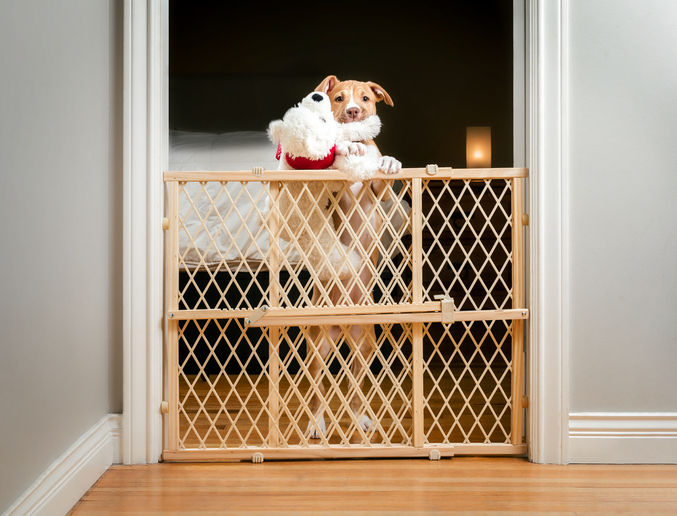
Use physical barriers. Baby gates, crates, or tethers can create distance between your dog and the door during high-risk moments.
Leash preemptively. Clip the leash on before opening the door—especially during greetings, deliveries, or travel prep.
Supervise transitions. Never leave the door propped open or unmonitored if your dog is in the area.
Keep rewards nearby. A treat jar by the door makes it easier to catch and reinforce calm behavior in real time.
Handle escapes calmly (if possible). If your dog dashes out, try to stay calm and use a cheerful voice to lure them back. If they're in imminent danger, prioritize safety first—then revisit training to prevent it from happening again.
During National Lost Pet Prevention Month, it’s worth remembering how many close calls and real emergencies start with an open door. Door dashing may look like a small behavior issue, but it carries real consequences—and the good news is, you’re not powerless.
By blending clear training with smart safety strategies, you can help your dog build new habits, make better choices, and stay safe right where they belong: at home with you.
If door training feels overwhelming or your progress has stalled, you're not alone. I offer one-on-one consultations and refresher sessions tailored to your dog, your home, and your goals. Use the link below to get in touch and take the next step toward a safer, calmer routine.


Comments